How to Get the Most From an Air Conditioning Repair Service Plan in Miami
Published: 2026-06-19 · By AeroPulse AC Repairs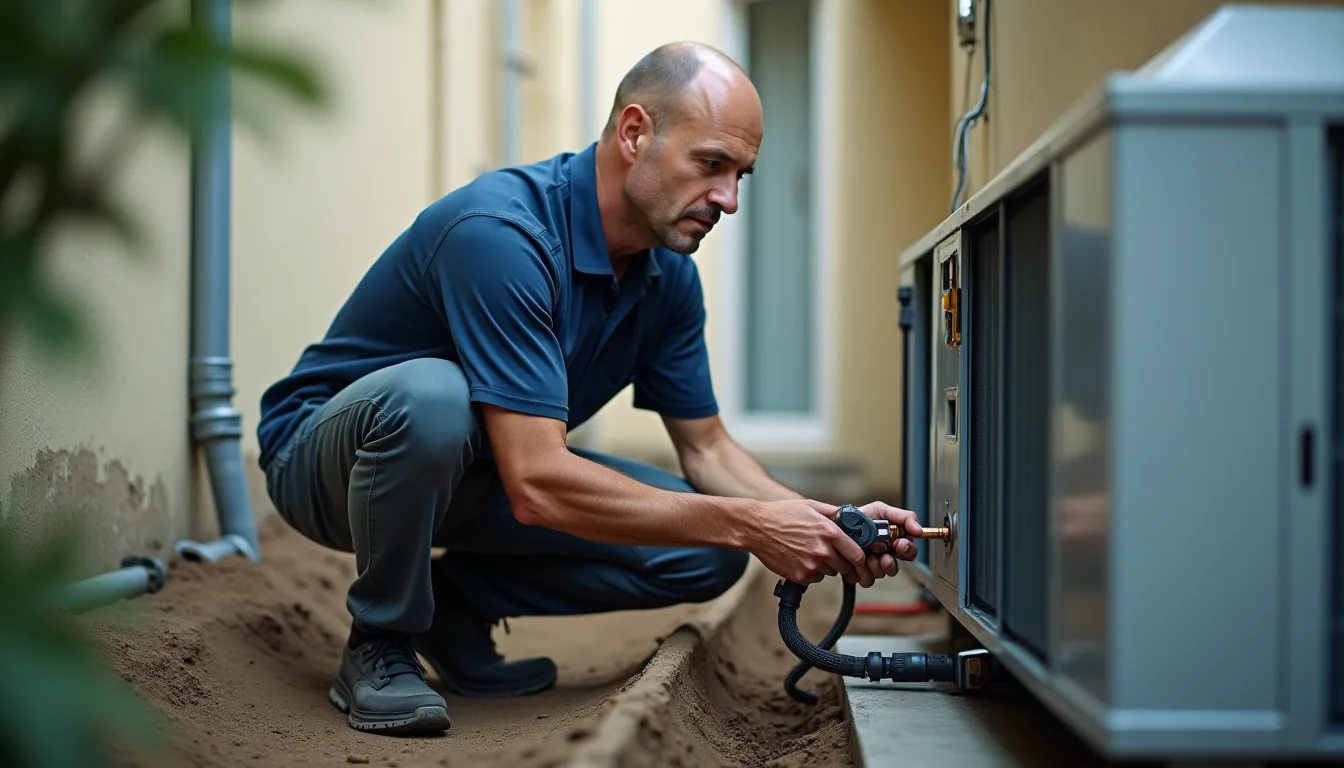
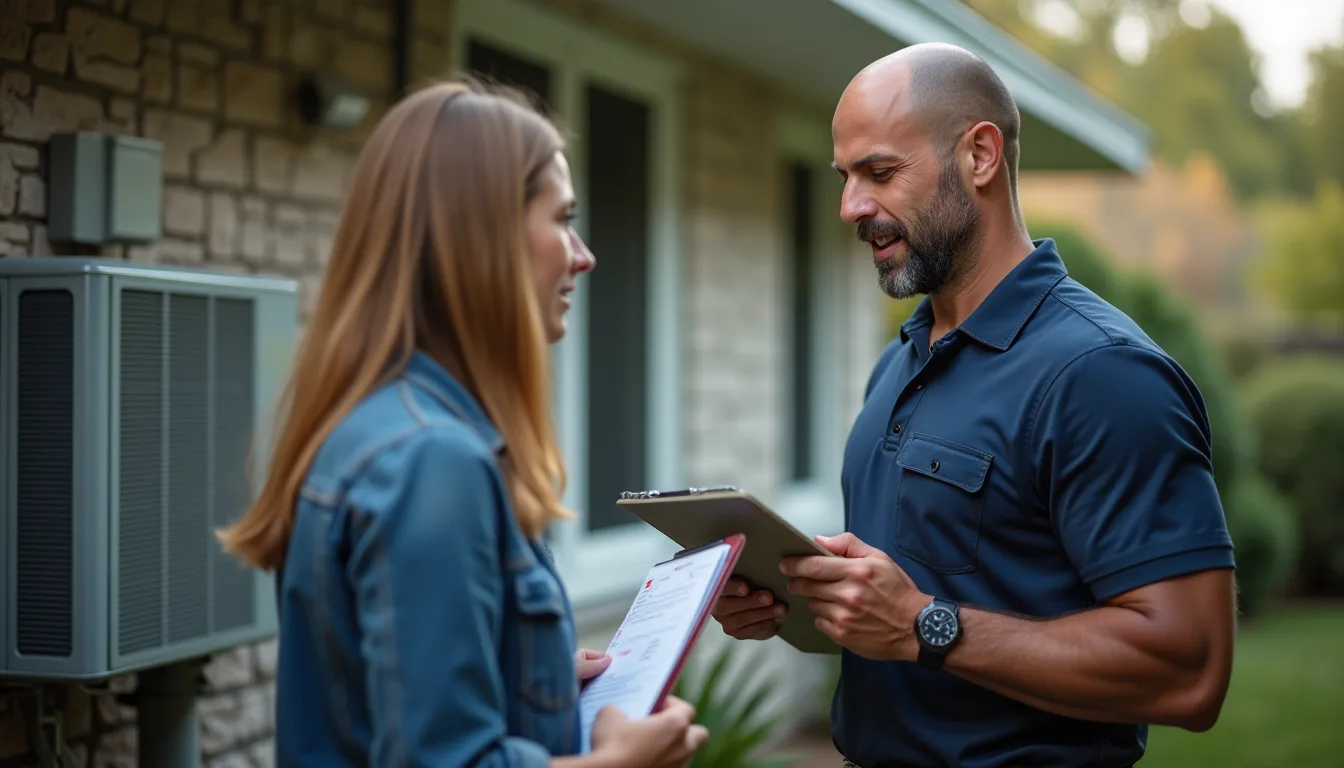
As Miami's humidity levels soar and seasonal storms roll in, the last thing you want is for your air conditioner to malfunction. Picture this: it's a tropical afternoon, and the sweat is dripping down your back as your AC unit decides to quit. Understanding how to maximize your air conditioning repair service plan can be your saving grace, especially in a city that demands reliable cooling systems.
Why This Matters for Miami Homeowners
For homeowners in Miami, high humidity and corrosive salt air create a perfect storm for air conditioning issues. AC units are crucial for comfort, yet many residents overlook proactive maintenance, leading to costly repairs and system failures at the worst possible times. The salty coastal air can corrode metal fixtures quickly, rendering even newer systems inefficient or inoperable. This is a particular concern for elevated homes with moisture barriers, where an efficient cooling system is vital.
Moreover, during tropical storms or hurricanes, power outages are common, and an improperly maintained AC can break down when you need it the most. Ignoring minor issues like unusual sounds or inefficient cooling can lead to major repairs and extended waiting times for service, especially during peak summer months. Homeowners must be vigilant, as the humid environment accelerates wear and tear on appliances.
Tip: Schedule regular check-ups for your AC system to catch problems early. Small repairs can save you from larger issues down the line.
Expert Solutions & Actionable Tips
1. Understand Common Repair Issues
Miami's unique environment causes specific issues with air conditioning systems. Common problems include refrigerant leaks, electrical failures, and clogged drain lines. On average, repairs for refrigerant leaks can range from $200 to $1,500, depending on severity. It’s essential to recognize these symptoms promptly to avoid costly breakdowns.
Hurricanes can also cause physical damage. Keep an eye on outdoor units, particularly during storm season. Check for debris and ensure the unit is level, as water collection can lead to rust and mechanical malfunction.
2. Schedule Maintenance Before Storm Season
For Miami residents, preemptive maintenance before hurricane season can be a lifesaver. Schedule a full inspection at least two months before expected storm activity. Maintenance might cost between $75 to $150, but it includes checking for corrosion—critical in our coastal environment.
During this inspection, your technician will clean coils and ensure drain lines are unobstructed, which helps maintain efficiency during those humid summer months.
3. Invest in Quality Filters
One of the simplest ways to prolong your air conditioning system's life is by using high-quality filters. In a humid climate like Miami, filters can become clogged quickly. Replace disposable filters monthly, or invest in quality HEPA filters that may last up to six months, costing around $30-$70, depending on the size and brand.
Estimated savings from maintaining clean filters can range from $10 to $20 on monthly energy bills by allowing your unit to operate more efficiently.
4. Check Your Thermostat Settings
Many residents may not realize the impact of thermostat settings on energy consumption and unit efficiency. A programmable thermostat can save Miami homeowners 10-15% on cooling costs by automatically adjusting temperatures when the house is unoccupied.
Installing a smart thermostat costs approximately $100-$250 and provides real-time data on your system’s performance, helping you spot issues early.
5. Consider Energy-Efficient Upgrades
If significant repairs are necessary, consider upgrading to an energy-efficient model. Miami residents can benefit from the state’s incentives for energy-efficient appliances, often providing rebates that can offset the installation costs. New models can save up to 50% on energy costs, which is essential with the tropical heat we experience.
Typically, new AC units range from $3,000 to $7,000, but the savings over time can justify the initial investment.
6. Document Your Repairs
Keeping a detailed log of previous repairs and maintenance activities can save you time and money in the long run. This documentation can help your repair technician identify recurring problems and avoid unnecessary work. It’s advisable to note the date, type of repair, and any costs incurred for reference.
This habit not only assists in maintaining your current system but also provides valuable information if you consider moving to a different unit later on.
Miami Climate & Local Context
Miami's climate poses unique challenges for homeowners when it comes to air conditioning. High humidity combines with coastal salt air, accelerating corrosion and wear on air conditioning units. Properties are often elevated with moisture barriers to mitigate flood damage, meaning the air conditioning system you choose must be both resilient and efficient.
Alongside climate concerns, Miami has specific building codes that affect air conditioning installations and repairs. Compliance with local building standards ensures safety and efficiency, allowing systems to withstand the challenges faced by Miami homes. Whether installing a new system or repairing an existing one, considering these factors will lead to better long-term outcomes.
When to Call a Professional
Knowing when to tackle an AC issue versus when to consult a professional can be critical for Miami homeowners. DIY repairs can be appealing but can lead to more significant issues if not handled correctly. Here are situations when it’s best to call in a pro:
- If your unit is not cooling at all.
- Strange odors are emanating from your AC.
- You notice refrigerant leaks.
- Frequent cycling on and off.
- Increased energy bills without a change in usage.
- You cannot identify the source of strange noises.
Attempting to repair complex systems without proper expertise can lead to safety hazards and expensive damage. Always evaluate your comfort level and the severity of the issue before deciding.
Frequently Asked Questions
What should I do if my AC unit stops working?
If your AC unit stops working, immediately check the thermostat settings and circuit breakers. If those seem fine, it's best to contact AeroPulse AC Repairs for professional assistance.
How often should I schedule maintenance for my AC?
In Miami, it's advisable to schedule a maintenance check at least once a year. However, during peak humidity months, biannual checks might be beneficial.
Are there any specific permits required for AC repair in Miami?
Yes, Miami has specific permit requirements for significant AC repair or replacement work. It's essential to hire a licensed technician familiar with local regulations.
Can I install an AC unit myself?
While some minor repairs may be manageable, installing a new AC unit in Miami should be left to professionals. This ensures compliance with codes and safety standards.
How can I improve my AC's efficiency during the summer?
To improve your AC's efficiency, ensure proper insulation, keep blinds closed during peak hours, and schedule regular maintenance checks to keep your system running smoothly.
Get Expert Air Conditioning Repair Service in Miami
Don't wait until it's sweltering outside—reach out to AeroPulse AC Repairs today for all your air conditioning needs. Call (645) 228-8617 to speak with an expert who understands the unique challenges of Miami's climate.
Your comfort is just a call away, so don’t delay—ensure your AC system is ready to tackle the heat with the help of locally trusted professionals.